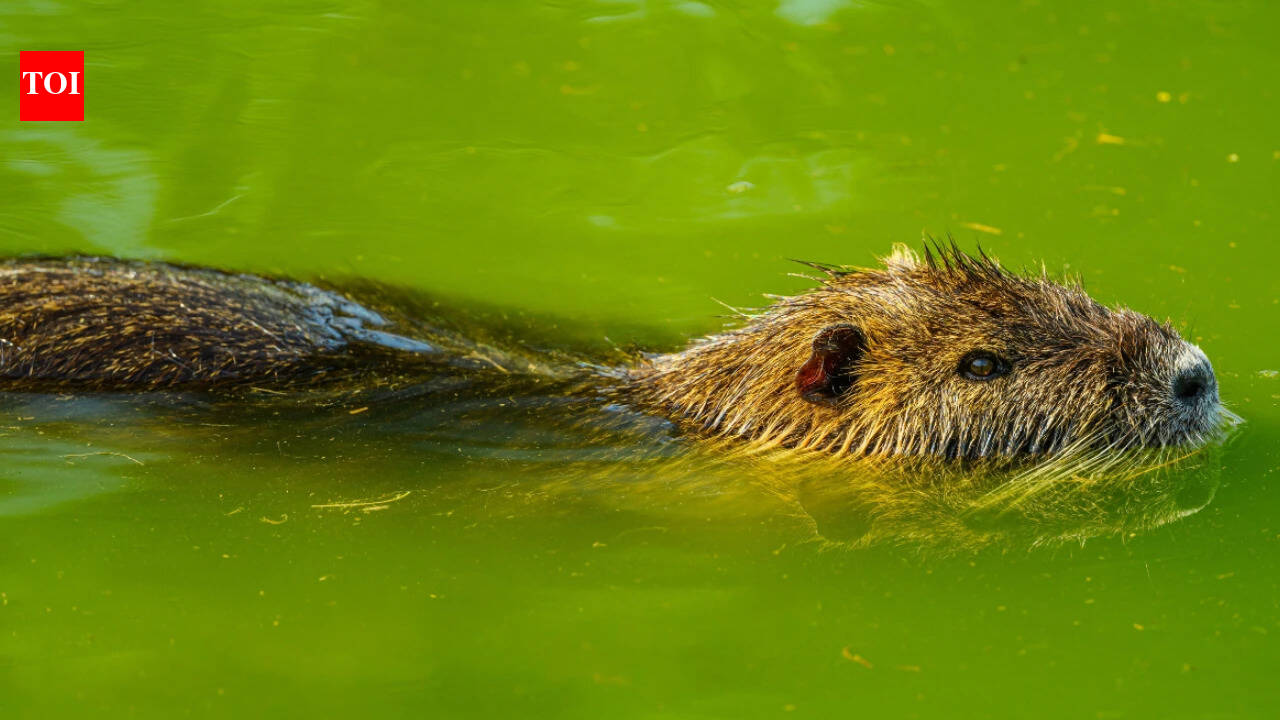
Wetlands around the world are in trouble – they’re being drained, filled in, and degraded, which is pushing tons of plants and animals towards extinction. But one woman, Sherri Tippie, a hairdresser from Denver, decided to take matters into her own hands. She started her journey after watching a news report about a beaver that was going to be killed for chewing down trees on a golf course. She couldn’t just sit back and do nothing, so she found a new home for the beaver, despite having no experience with wildlife.
This small act of kindness turned into a lifelong mission for Tippie. She started her own nonprofit, Wildlife 2000, and taught herself how to live-trap beavers, making sure to keep families together. She knew that a lone beaver wouldn’t be able to build much on its own, but a full family could get to work fast, building dams and creating ponds. This approach not only helped the beavers but also had a positive impact on the environment. The ponds and wetlands that formed as a result of the beavers’ work helped to filter pollution, absorb floods, and even capture carbon.
Tippie’s work has had a significant impact, with over 1,000 beavers relocated and countless wetlands restored. Her approach has also changed the way people think about beavers – they’re no longer seen as pests, but as natural engineers that can help rebuild wetlands. The benefits of beaver dams go beyond just water quality, they can even help to prevent wildfires by keeping the surrounding ground wet. Tippie’s story is a testament to the power of one person making a difference, and her work continues to inspire others to take action in protecting and preserving our planet’s precious wetlands.