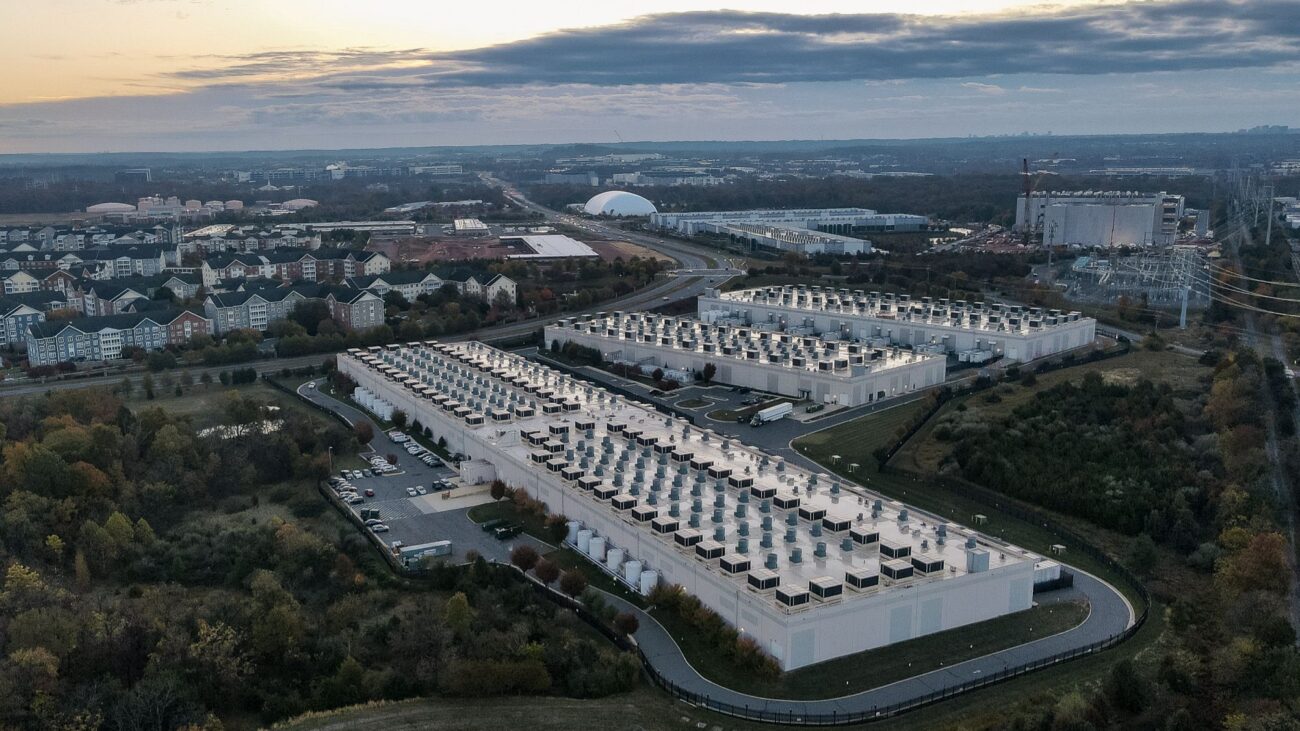
It’s crazy to think that over 70% of Americans are now against data centers, but that’s the reality. This opposition has led to some big moves, including a huge coordinated protest that happened in 142 different locations across 42 states. The people behind the protests are calling out the rapid growth of data centers, saying it’s an infringement on their liberty and that they won’t stand for it. This pushback is having a real impact, with many jurisdictions imposing bans or moratoriums on data center construction.
The resistance to data centers isn’t just about the noise or aesthetics – it’s about the real consequences that come with having one of these facilities in your backyard. People are worried about increased utility rates, water quality issues, and noise pollution, and they’re not buying the promises of jobs and investment that developers are making. As a result, data center projects are getting delayed or blocked, with over $130 billion worth of projects already put on hold in the first quarter of 2026. It’s clear that the American public is wary of the impact that data centers can have on their quality of life.
Developers are trying to find ways to get around the opposition, like building in rural areas or bringing their own electricity. But at the end of the day, they need to take the community into account and come up with a solid plan that addresses the concerns of local residents. It’s not just about getting approval from the town council – it’s about winning over the people who will be living next to these facilities. With the US needing data centers to compete in the AI race, it’s a delicate balance between progress and preserving quality of life.