Texas is expecting a huge surge in energy demand by 2032, with the Electric Reliability Council of Texas (ERCOT) forecasting that the statewide electric demand will reach around 175,000 megawatts. This is being driven by the growth of data centers, the state’s increasing population, and other industrial projects. To put that into perspective, one megawatt can power around 250 residential customers during peak hours. The state’s energy regulators are confident that they can meet this demand, but they’re cautioning that they’ll need a more varied mix of electrical generation to do so.
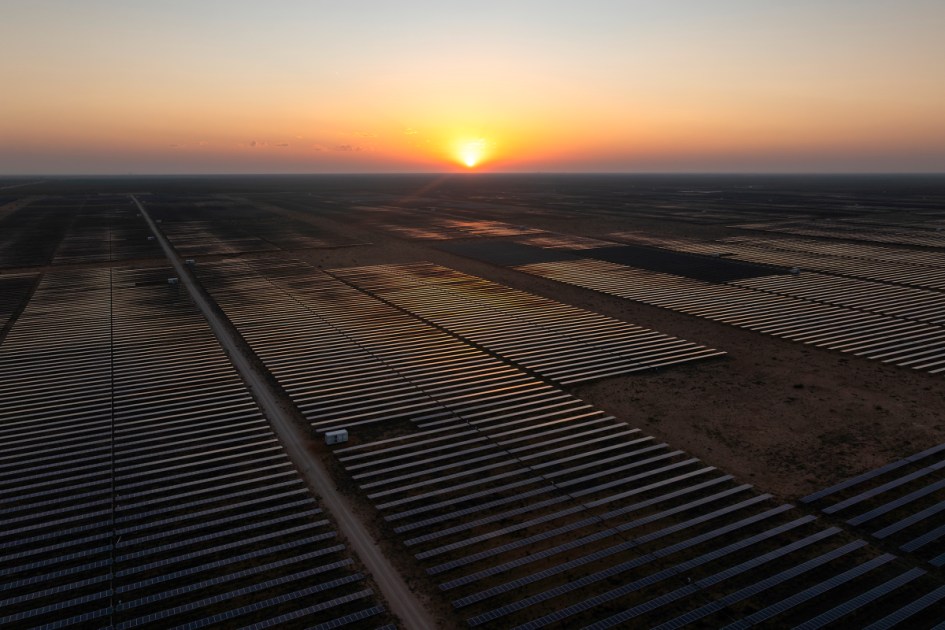
The good news is that Texas has been making great strides in solar power and battery storage, which has helped to make the grid more reliable and cleaner. In fact, the state has become the nation’s leader in both solar energy and battery storage since 2021. On really hot days, solar power can generate up to 45% of the state’s electricity, and batteries can store excess energy during the day to release at night when it’s needed. This has been a game-changer for the grid, allowing it to meet record demands without any issues. For example, when the record demand was set on July 22, the grid had a buffer of over 20,000 megawatts, which is enough to power an additional 5 million homes.
However, regulators are warning that they’ll need more natural gas power generation to keep the lights on at night when the sun goes down and solar power isn’t available. While solar and batteries have been saving the day during peak hours, the grid still relies on natural gas power plants to provide most of the state’s energy at night. The state has a program in place to encourage the development of new natural gas power plants, but it’s been slow to get off the ground. Legislators are considering further efforts to spur the development of these plants, which will be crucial to meeting the state’s future energy needs.