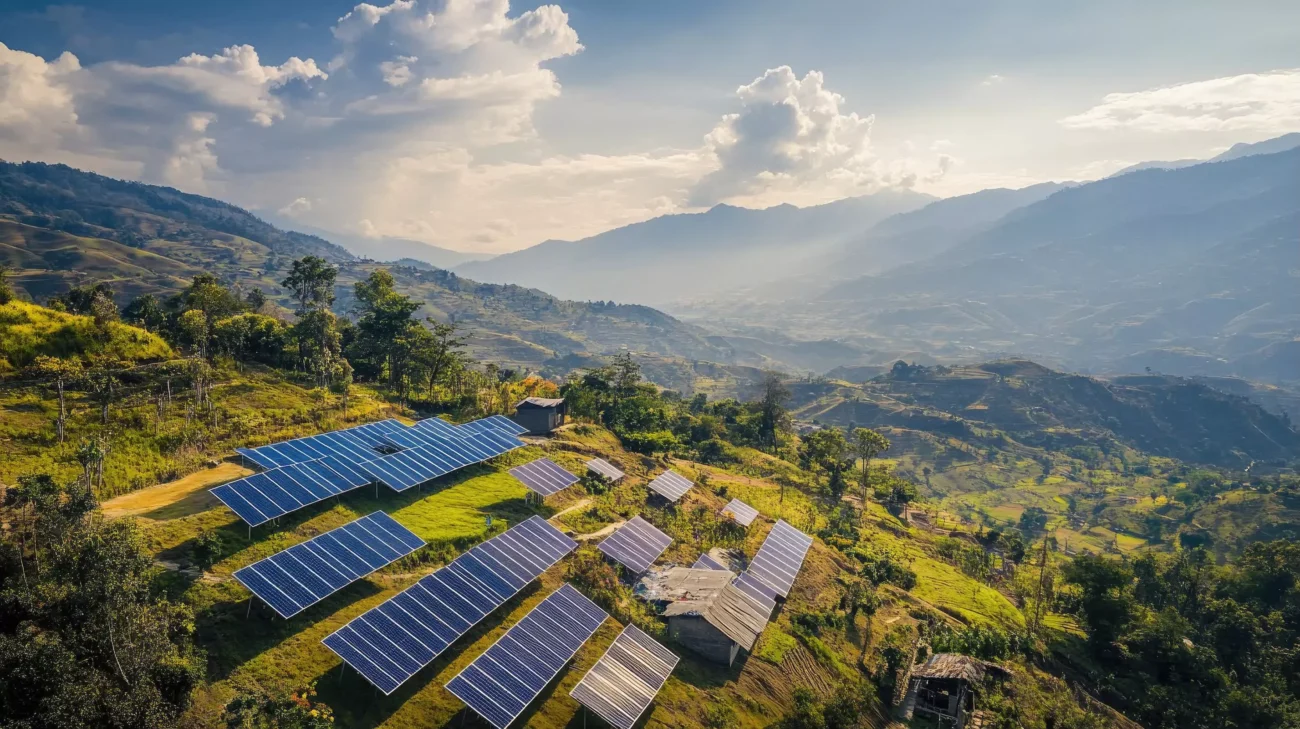
Cheap solar panels are changing the way electricity systems work around the world, from Pakistan to Australia. More and more businesses and households are generating their own power, which reduces their need to buy electricity from utilities during the day. However, they still rely on utilities to provide power when the sun isn’t shining. This shift is making it harder for grid operators to predict energy demand, so they’re investing in better systems to manage the flow of energy.
The cost of solar panels has dropped dramatically over the years, making them a practical option for countries with expensive or unreliable power. In Pakistan, for example, a cement plant is already getting over a quarter of its electricity from solar power, and plans to add even more solar capacity by the end of the year. Similarly, in the Philippines, rooftop solar capacity has nearly doubled in just a year, and in India, a national subsidy program has installed solar panels on over 5 million homes. This trend is expected to continue, with Africa predicted to add around 17GW of solar power this year.
However, the rise of solar power is also putting pressure on utilities, as customers who can afford solar systems and batteries use less grid power, reducing utility revenue. This can lead to costs being shifted to those who can’t afford solar, which is a concern in many countries. To adapt to this new reality, utilities are investing in batteries, new pricing models, and better forecasting tools to manage the flow of energy. They’re also using machine-learning models to predict solar output and adjust their systems accordingly. As solar power becomes more widespread, it’s likely to continue changing the way electricity systems work, making them more complex and dynamic.