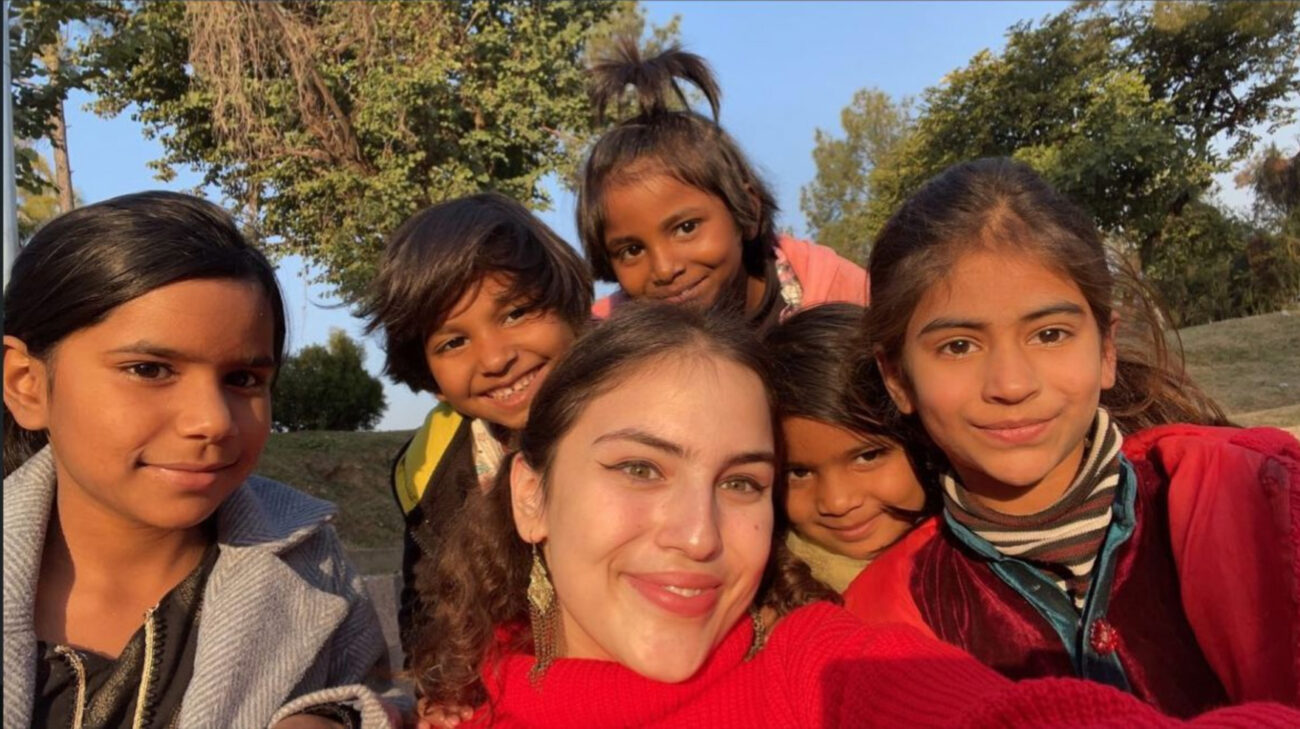
Bushra Mahnoor, a 26-year-old activist from Attock, Pakistan, experienced firsthand the challenges of menstrual hygiene in a country where sanitary products are often deemed non-essential and unaffordable. Growing up in a household with five menstruating women led to frequent rationing and competition for limited supplies. Cultural stigma around menstruation further compounded the issue, with misinformation and silence pervading both home and school.
Women’s rights advocates highlight that only 12% of Pakistani women use commercial sanitary products, primarily due to high costs exacerbated by an 18% sales tax. Campaigns for menstrual justice gained momentum when human rights activist Mahnoor Omer and tax lawyer Ahsan Jahangir Khan challenged this tax, ultimately leading to its removal in a recent budget decision. This change has been celebrated as a critical step toward addressing period poverty, as menstrual products are now recognized as essential health items.
Despite this progress, challenges remain, including an additional 25% customs duty on imported menstrual products, which keeps prices high. Campaigners continue to push for further reforms to make these products fully tax-exempt and are also advocating for comprehensive sexual and reproductive health education in schools. The fight is part of a broader effort to destigmatize menstruation and improve access to necessary hygiene products for women and girls across Pakistan.