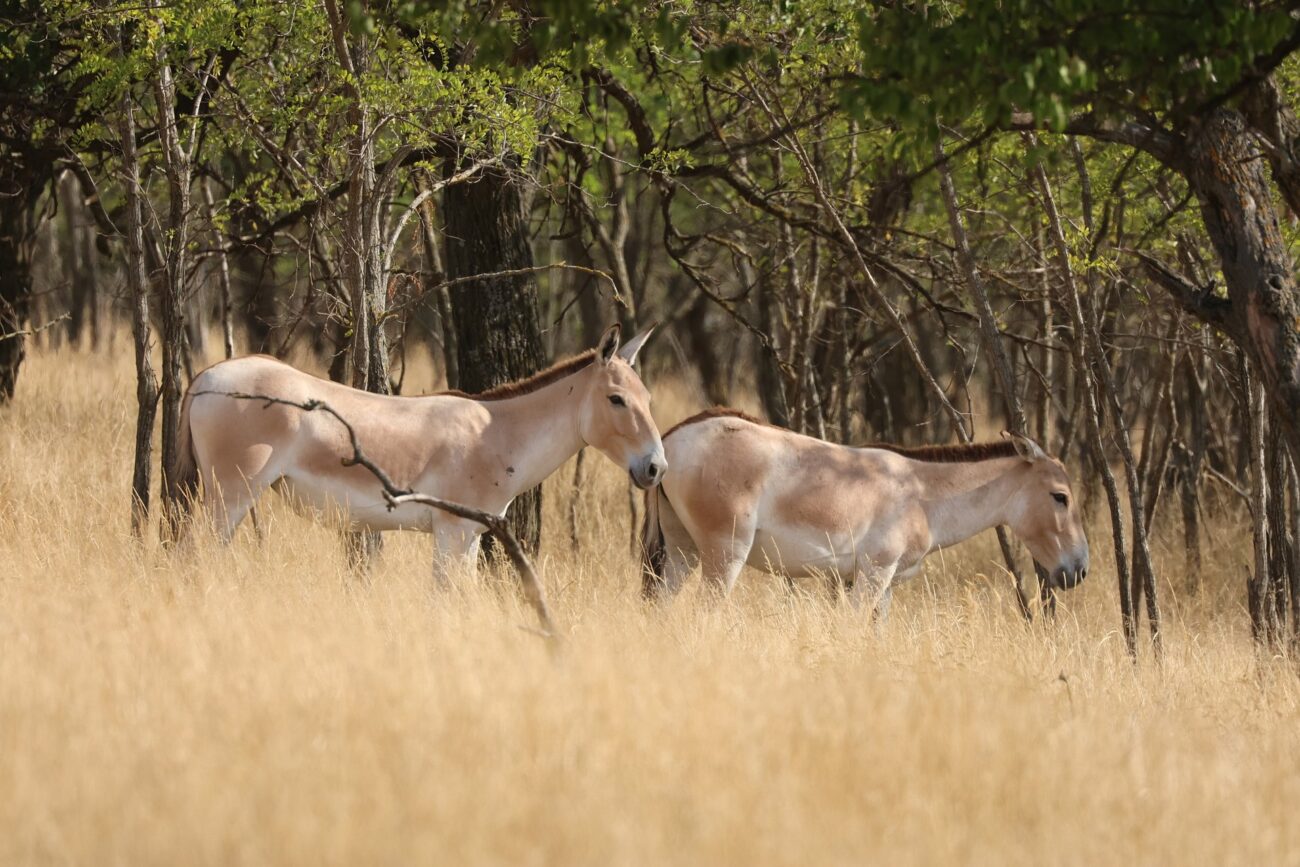
The conservation organization Rewilding Ukraine is actively restoring 600 hectares of degraded grassland in the Tarutino Steppe by reintroducing native, keystone species. Despite the ongoing disruptions and dangers of the war with Russia, volunteers and conservationists have successfully released various large herbivores, including water buffalo, Konik horses, deer, and kulan (wild donkeys). These animals play a critical role in managing the ecosystem by naturally grazing down dry vegetation, creating diverse plant structures, and significantly reducing the risk of wildfires in a region highly vulnerable to climate change and exploding mines.
Beyond ecological rehabilitation, the rewilding initiatives are designed to foster long-term community resilience and build a nature-based economy for the future. Organizations like Rewilding Europe and the Endangered Landscapes & Seascapes Programme (ELSP) are establishing infrastructure, such as wildlife watching towers and excursion routes, to prepare for a revival of tourism once the conflict ends. Additionally, these projects are being used immediately to support the local population, serving as therapeutic environments for war veterans suffering from PTSD and hosting cross-border environmental camps for youth.
A successful parallel project involving bison reintroduction in neighboring Romania serves as a hopeful blueprint for Ukraine’s recovery. By involving local residents directly in wildlife management and eco-tourism initiatives, the Romanian project has generated thriving hospitality businesses and sustainable employment opportunities. Despite restricted movements and logistical challenges brought on by the war, project leaders remain confident that Ukraine’s nature is as resilient as its people, with the birth of the first wild kulan foal in 200 years serving as a symbol of hope for the region’s revival.