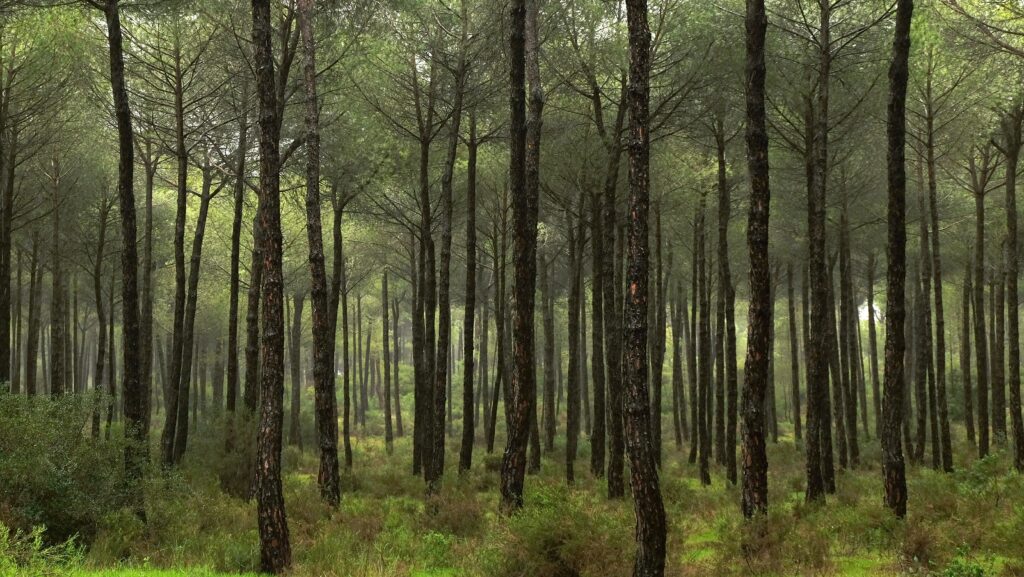
In Spain, donkey firefighters have successfully protected Doñana National Park from wildfires for nine years by grazing on dry scrub that could potentially fuel fires. This initiative, started in 2014 with 18 donkeys from the El Burrito Feliz association, utilizes the animals’ eating habits to maintain the landscape, especially in areas inaccessible to vehicles. Doñana, a vital ecosystem home to endangered species, has notably avoided wildfires during a period of increasing fire activity across Spain.
Donkeys are particularly effective for this task due to their unique digestive system, allowing them to consume and transform tough vegetation into energy, which in turn diminishes fire risks over time. Grazing supports fire prevention while also restoring agricultural practices lost to mechanization and rural depopulation. Efforts to replicate this model are emerging in other regions, such as Catalonia, where additional donkey programs are reporting similar successes in fire prevention.
Moreover, the program benefits from collaborations with volunteers and military support, highlighting the importance of a comprehensive wildfire management strategy that includes land management and early detection measures. Overall, the reintroduction of donkeys for fire prevention demonstrates a sustainable and efficient approach to ecological restoration and wildfire management in Spain.