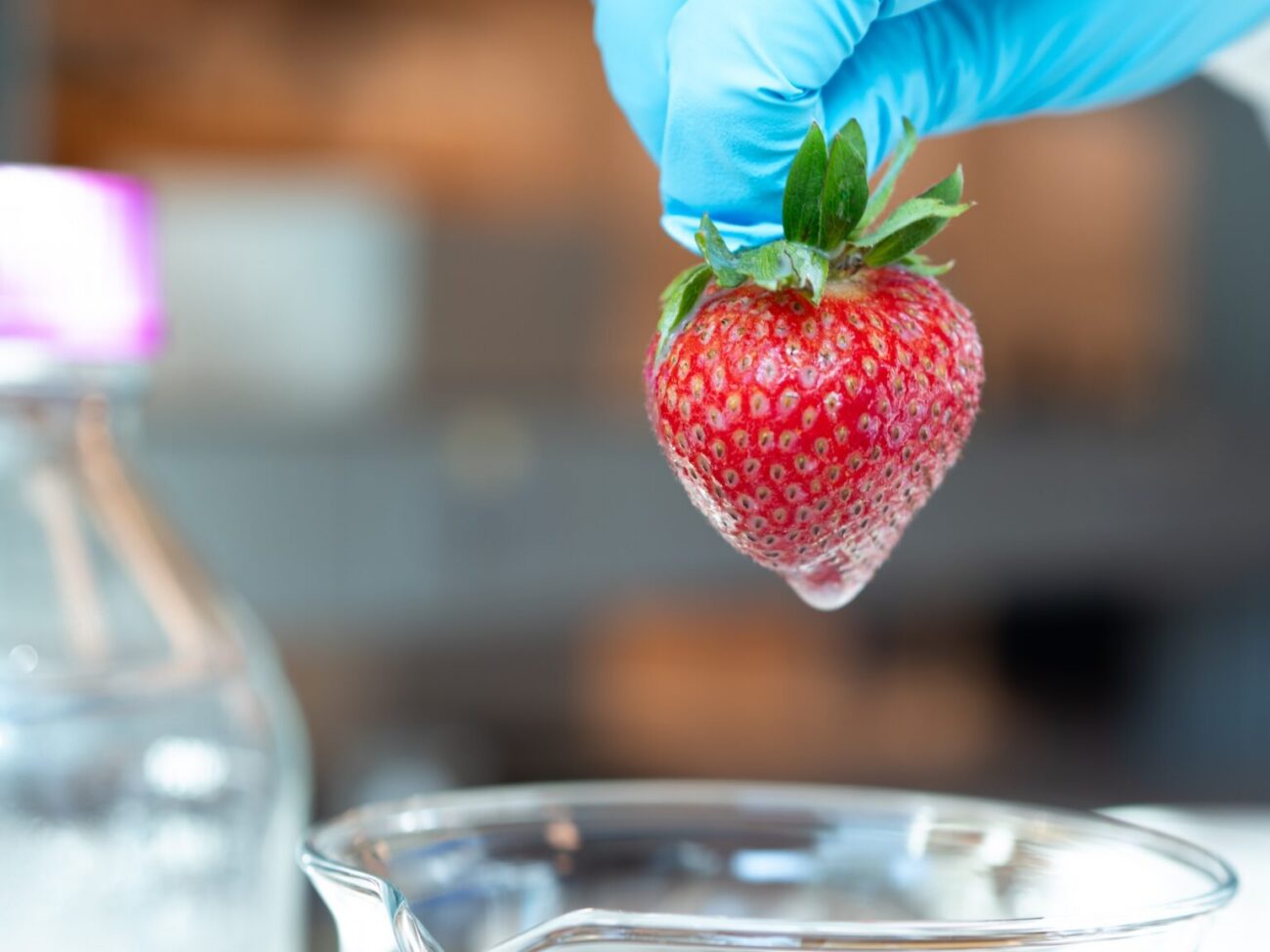
Researchers at the University of British Columbia have developed a seaweed coating that can keep strawberries fresh at room temperature for four days or more, which is even longer than if they were stored in a refrigerator. The coating is made from agar, a substance found in red algae, combined with zinc and tannic acid. When these ingredients are mixed together, they form a thin, clear film that seals in moisture, blocks gas exchange, and has antibacterial and antioxidant properties that slow down spoilage.
The team tested the coating on strawberries, apples, and grapes, and found that it roughly doubled the shelf life of the fruit compared to not using the coating. For example, cut apple slices treated with the coating stayed fresh for 24 hours, while untreated slices began to decay within 12 hours. The coating also helped to preserve the fruit’s nutritional value and reduced weight loss. Safety testing showed that the coating is safe to eat and easy to wash off.
The potential impact of this coating is significant, as it could help to reduce food waste and lower carbon emissions. In Canada, nearly half of all food produced is lost or wasted every year, which costs the economy an estimated $58 billion annually. By using this coating, farmers and suppliers could reduce their reliance on refrigeration, which would not only cut down on energy consumption but also make the supply chain more resilient. The researchers are now testing the coating on a wider range of fruits and vegetables, and see it as a practical strategy for building more sustainable produce supply chains.