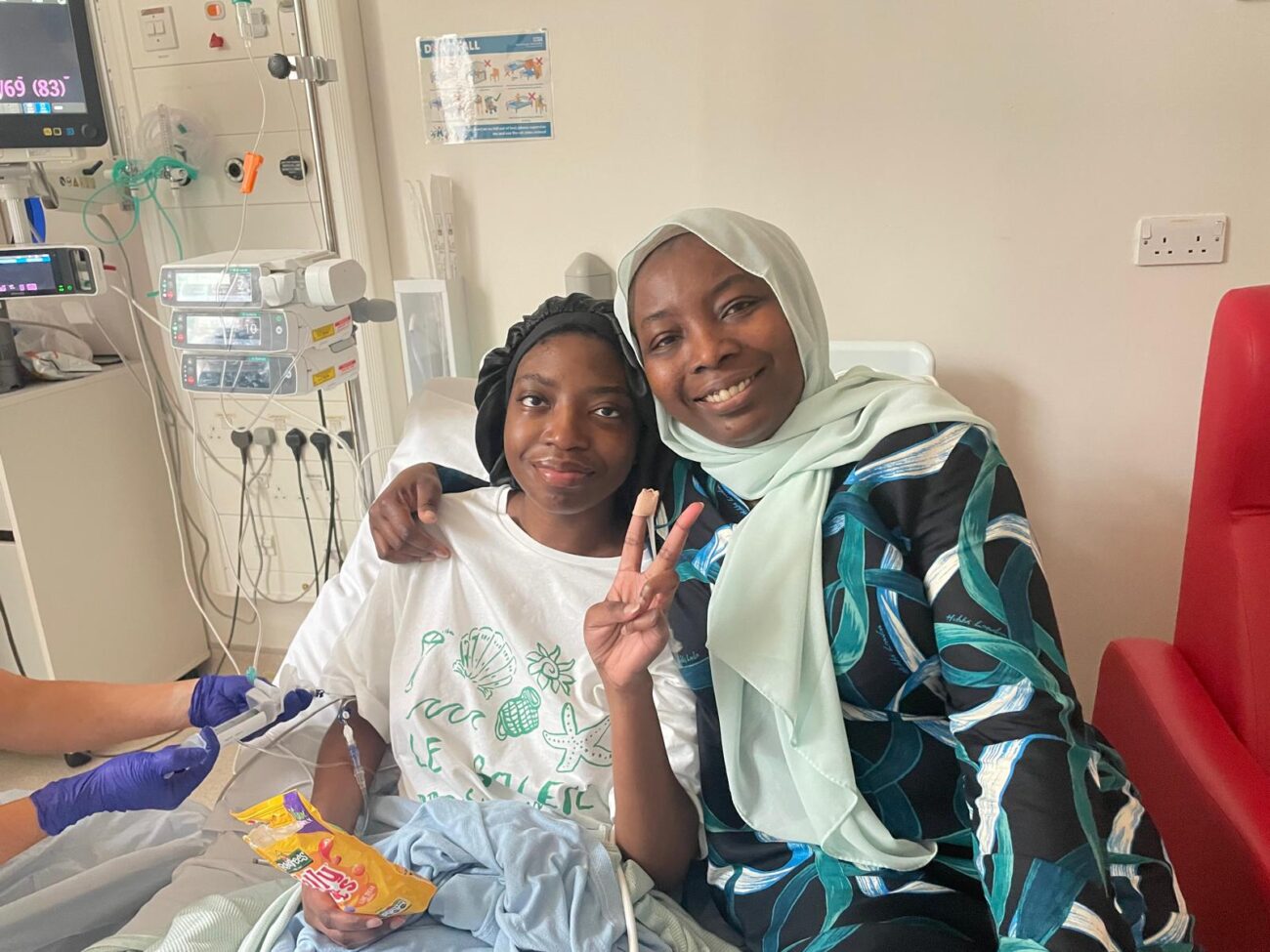
Aisha, a 15-year-old girl from Cheadle, has been living with sickle cell disease her whole life. She’s had to deal with regular, severe crises that have left her in hospital every two weeks, missing out on school and a normal social life. The pain she experiences is intense, starting as a tingling sensation that spreads across her body, feeling like hammering and chiselling on her bones. Sickle cell disease affects around 15,000 people in the UK, mainly from Black African and Black Caribbean communities, and can cause severe pain, strokes, organ damage, and heart failure.
Aisha underwent a groundbreaking gene-editing therapy called Casgevy, which was approved for use in the NHS in 2025. The treatment involves editing the patient’s own blood stem cells, which are then transplanted back into the body. Aisha’s healthcare team at Royal Manchester Children’s Hospital advocated for her to receive the treatment due to the severity of her condition. The process was intense, involving a cycle of collecting cells, chemotherapy, and a two-month hospital stay. Aisha’s mum, Hamdat, who also has sickle cell disease, was supportive of the treatment, understanding the risks of not doing anything to help her daughter.
Aisha has now rung the bell to mark the end of her treatment and is recovering at home. She’s back at school as a prefect in her final year of secondary school and is determined to help others understand sickle cell disease. Although she’s still receiving care for ongoing muscle pains, Aisha no longer experiences symptoms or crises. Her mum and healthcare team are thrilled with her progress, hoping that she can start living a more normal life. The treatment has been transformative, and Aisha’s story offers hope for others living with sickle cell disease, particularly younger children who may benefit from this therapy in the future.