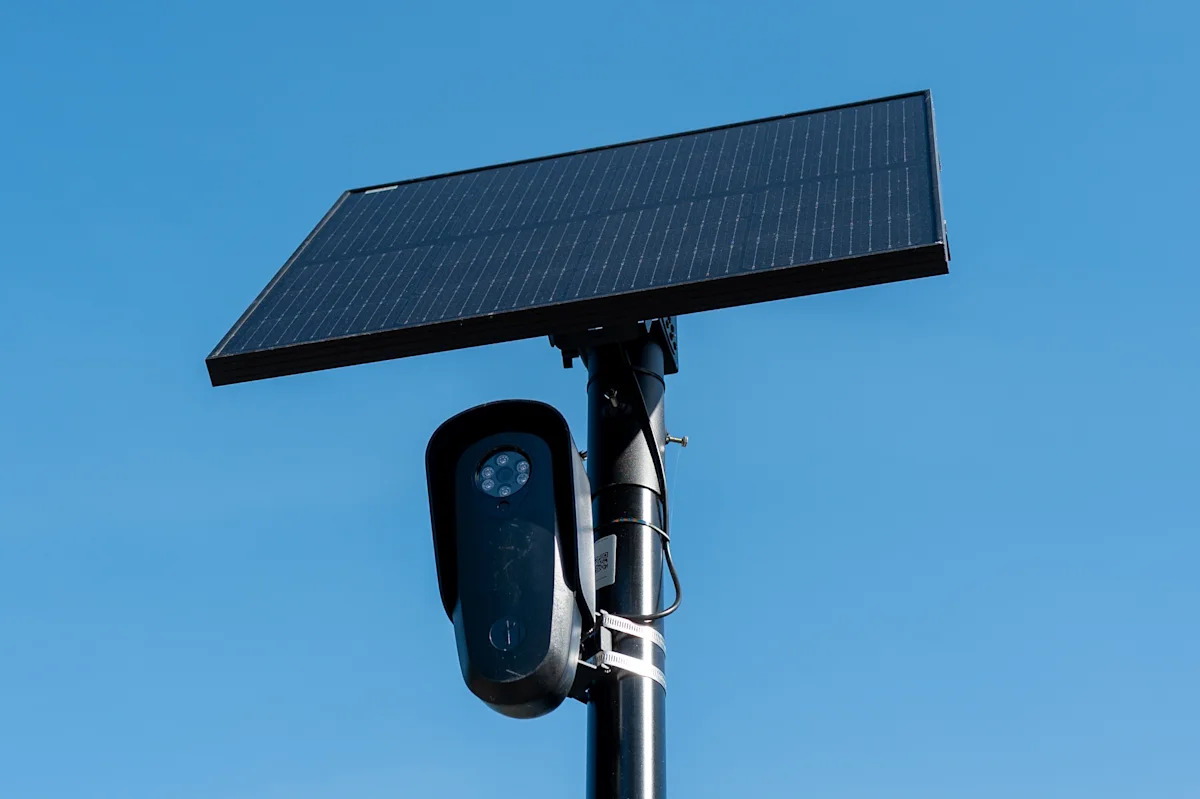
A federal judge in Oklahoma just made a pretty big ruling about a company called Flock Safety, which makes license plate readers that law enforcement agencies use to track people’s cars. The judge said that a sheriff’s deputy in Tulsa violated a woman’s Fourth Amendment rights by searching for her license plate in Flock’s database without a warrant. The deputy had no real reason to search for her plate, except that her car had a California license plate, which doesn’t seem like enough of a reason to me.
The judge’s ruling is significant because it suggests that warrantless searches of Flock’s database are unconstitutional. The deputy used the woman’s travel history, which he got from Flock, to justify searching her car, where he found a bunch of meth. But the judge said that all the evidence he found has to be thrown out because it was obtained illegally. The judge also criticized Flock’s technology, saying that it allows for “indiscriminate mass surveillance” and is a problem because it collects information on all vehicles that pass by its cameras, not just specific individuals.
This ruling is part of a growing backlash against Flock and its technology. Some local and state governments have already stopped using Flock, and a senator just introduced a bill that would bar federal agencies from using automated license plate readers like Flock. The company’s CEO is trying to find a compromise between privacy and safety, but it’s clear that a lot of people are concerned about the potential for abuse. Flock is even offering buyouts to its employees, which suggests that the company is feeling the pressure.