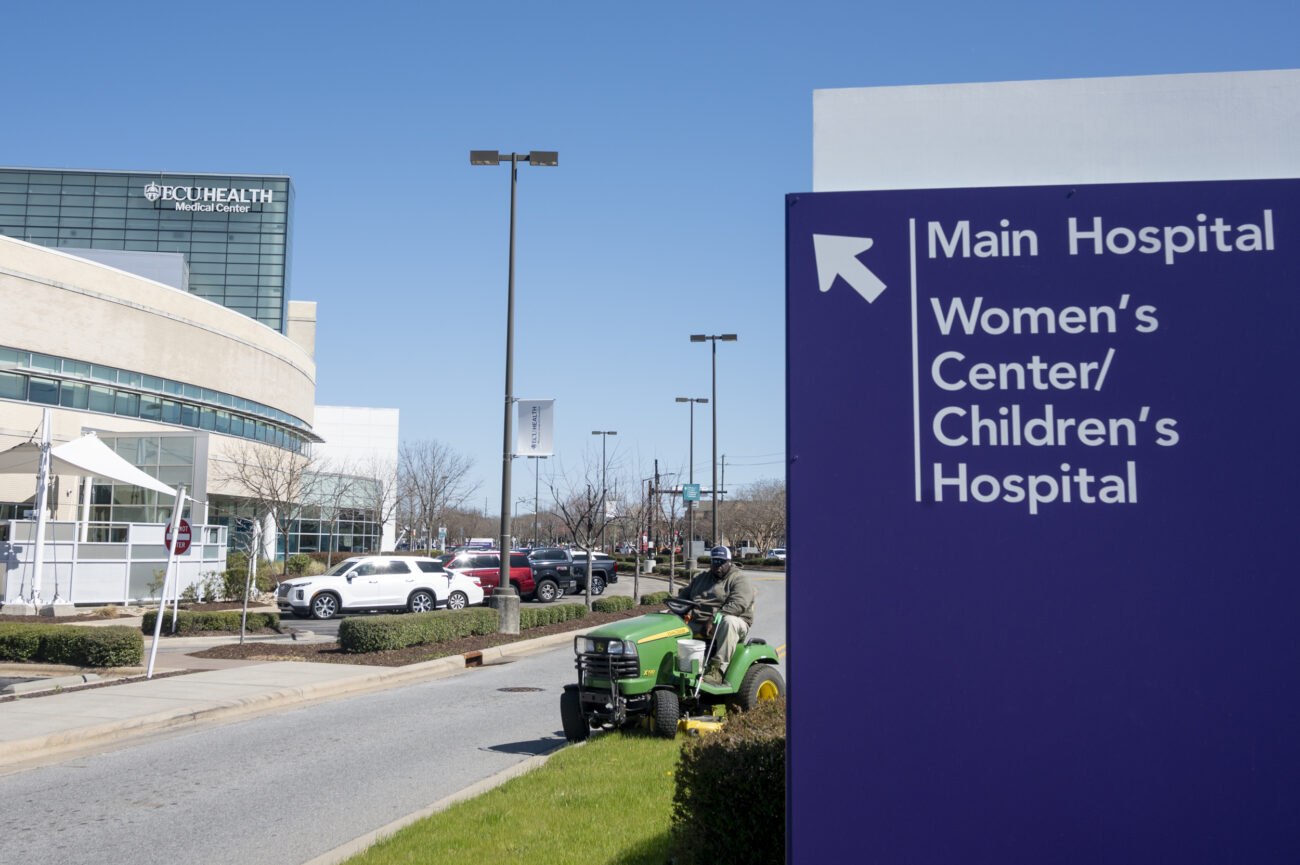
In 2018, Jessica McIntyre faced a challenging situation after developing postpartum eclampsia, leading to significant medical debt from her hospital stay. Despite having health insurance, she owed thousands due to her plan’s coverage limits. Eventually, McIntyre fell behind on payments, and her debt was sold to a collections agency, negatively impacting her credit score.
In 2022, she received surprising news from a nonprofit called Undue Medical Debt, which had erased her remaining $3,200 debt, significantly improving her financial situation. Undue operates by purchasing unpaid medical debts for a fraction of their value and eliminating them without requiring an application from recipients.
The issue of medical debt in the U.S. is widespread, with a 2024 report estimating that Americans carry over $220 billion in such debt. North Carolina has a high rate of medical debt, affecting 13.4% of adults, and many suffer despite having insurance due to high deductibles and out-of-pocket costs.
In 2024, a collaboration between Undue and North Carolina’s Department of Health and Human Services aimed to address medical debt more holistically, requiring hospitals to relieve debts for low-income patients and preventing them from selling such debts to collections. This initiative helped erase $6.5 billion in medical debt statewide.
Additionally, local fundraising efforts, like a campaign by Chapel in the Pines Presbyterian Church, further contributed to debt relief, raising over $22,000 to eliminate significant amounts of medical debt in the community. These initiatives highlight a growing recognition of the burden of medical debt and efforts to provide assistance to those affected.