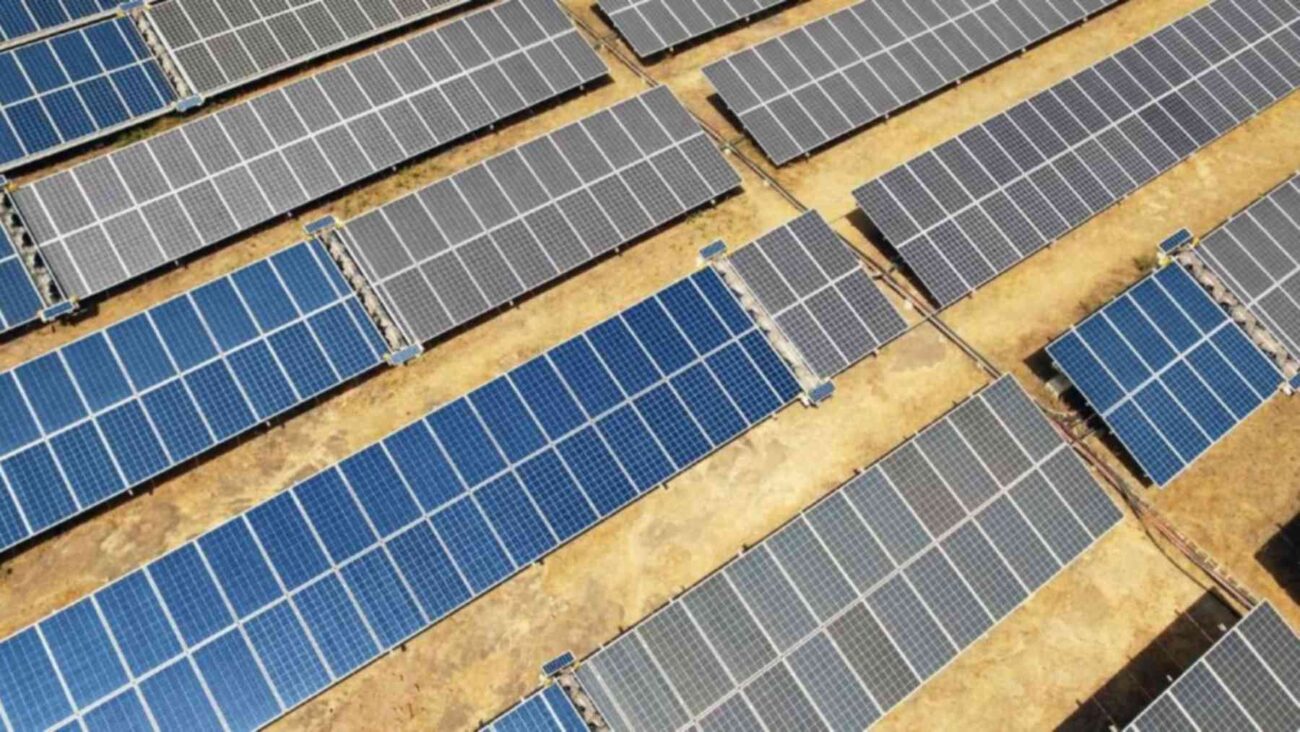
So, you know how solar panels are super efficient at generating power when they’re clean, but dust and dirt can really reduce their effectiveness? It’s a big problem, especially in desert areas where the sun is strongest, but the dust is also at its worst. In fact, annual energy losses from dust and dirt can range from 7% in some parts of the US to as much as 50% in the Middle East. That’s a significant amount of power that’s being lost due to something that can be prevented.
The usual solution to this problem is to wash the panels, but that uses a lot of water – roughly 10 billion gallons a year worldwide. That’s enough water to supply drinking water for up to 2 million people, which is a huge issue in dry regions where water is already scarce. Plus, washing the panels can be expensive, with a single cleaning of a 10-megawatt solar farm costing around $5,000. And to make matters worse, if the dust is left on the panels for too long, it can become “cemented” on, making it even harder to remove.
That’s where companies like Ecoppia come in, with their water-free cleaning robots that use microfiber to sweep dust off the panels every night. These robots are fully autonomous, recharge themselves from solar energy during the day, and use machine learning to keep track of maintenance and flag any issues before they become major problems. Ecoppia claims to have already saved around 2.6 billion gallons of water with their robots, which is a pretty impressive feat. And it’s not just about saving water – cleaner panels also mean more power generated from the same equipment, without the extra cost of hauling in water.