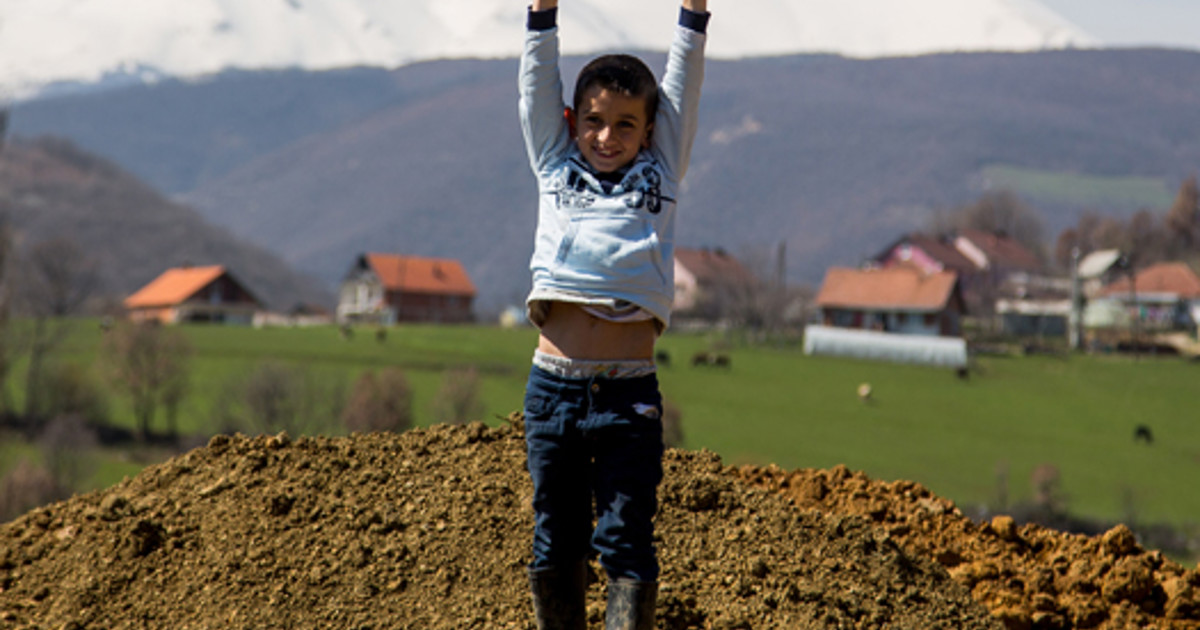
The city of Gjakova in Kosovo is a totally different place now compared to what it was back in 1999. After the conflict, the city was left in ruins with most homes and businesses burned down, and the main mosque and minaret destroyed. But today, it’s a thriving city with parks and boulevards, and the old town has been rebuilt in a beautiful wooden Ottoman style. The main street is lined with busy cafes and restaurants, and it’s hard to imagine the devastation that once was.
The transformation of Kosovo as a whole is just as impressive. After the war, over 800,000 people were displaced, and when they returned, they found their homeland scarred by destruction, minefields, and unexploded cluster bombs. But thanks to the work of organizations like The HALO Trust, most of the priority danger zones were cleared in the first few years after the war. This allowed people to safely return to their homes, rebuild their lives, and start anew. The country’s economy has grown significantly, and life expectancy has increased from 58 to 78.
The impact of removing landmines and cluster bombs can’t be overstated. It’s not just about clearing land, but about what that land can be used for afterwards. In Kosovo, it’s meant that people can build homes, start businesses, and farm their land safely. The country’s infrastructure has been rebuilt, and tourist trails have been cleared, allowing hundreds of thousands of visitors to explore the beautiful mountains and towns. After 27 years of working in Kosovo, The HALO Trust is closing its operations, leaving behind a country that’s been transformed by the hard work of thousands of Kosovars who helped make their country safe and thriving.