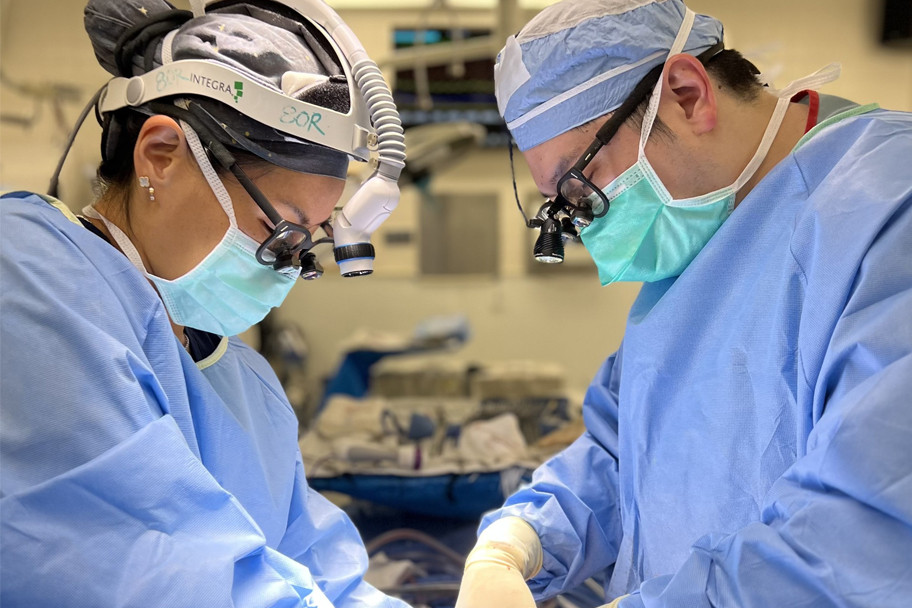
Cedars-Sinai has launched a new transplant program that allows HIV-positive patients to receive organs from deceased donors who also have HIV. This program has already shown promising results, with the first patient to receive a kidney transplant through the program going from a two-year waitlist to receiving an organ in under a week. The patient, along with the first liver recipient, is doing well after their transplant. This new approach has the potential to significantly shorten wait times for HIV-positive patients in need of a transplant.
The program is made possible by the HIV Organ Policy Equity (HOPE) Act, which was passed in 2013 and allowed for the study of HIV-to-HIV transplants. After years of research showed the safety and effectiveness of these transplants, the rules were amended in 2024 to make it easier for hospitals to implement such programs. Cedars-Sinai’s team of experts, including surgeons, nephrologists, and infectious disease specialists, worked together to bring the program to life. The team is led by transplant surgeon Tsuyoshi Todo, who performed the first HIV-to-HIV kidney and liver transplants at the hospital.
The new program not only reduces wait times for HIV-positive patients but also offers them a chance to live longer and healthier lives. With advances in antiretroviral therapy, people with HIV are living longer and experiencing end-organ failure due to other conditions. The program also encourages more people to register as organ donors, as those with HIV are now eligible to donate. By accepting HIV-positive organs, patients can receive transplants sooner, reducing their time on dialysis and saving taxpayer dollars. The team at Cedars-Sinai is excited to make this option available to more patients and continue to provide innovative care and support.